GCash at Coral Vault: How to Tell the Real Site From a Copycat
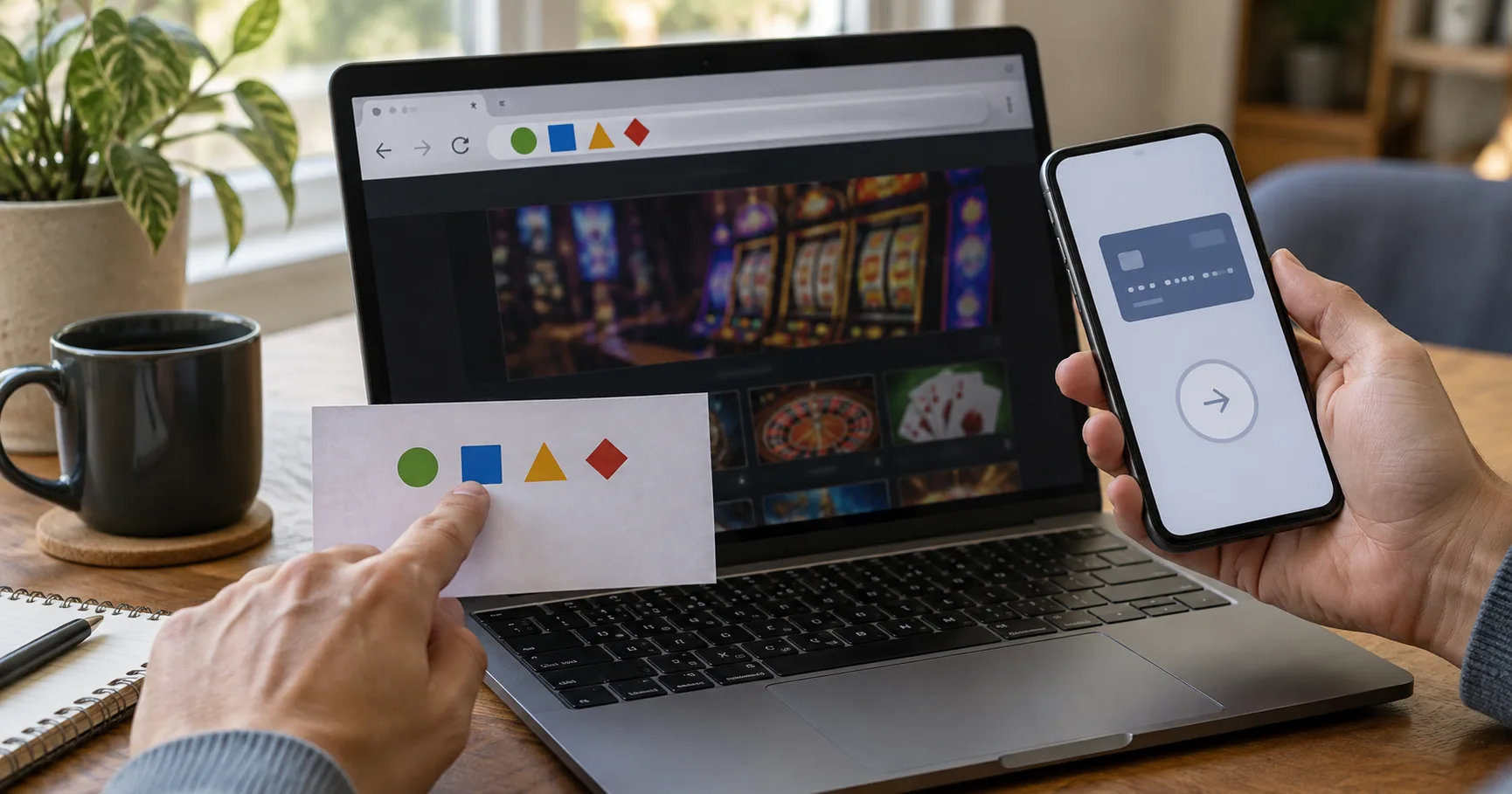
If a GCash payment succeeds, it proves that money moved. It does not prove that the website requesting it belonged to Coral Vault. That distinction matters when you have time for a longer weekend session and want to get started without checking every screen. A copycat can display familiar colours, a convincing offer and a payment instruction while directing money or account details elsewhere. The rule stays the same regardless of the promotion: establish where you are before you enter credentials or approve a transfer.
No verified Coral Vault domain, support address or payment account was supplied for this article. Use a source you independently trust to establish those details. A link in a message, advertisement or search result cannot confirm its own authenticity.
If the domain differs, pause before opening GCash
The domain in the browser address bar identifies the site you reached. A page title, logo or promotional graphic does not. Read the full address, including the part immediately before the first slash. A familiar brand name can appear in a subdomain or elsewhere in an address while a different domain controls the page. A secure connection protects data travelling to that domain; it does not establish who owns the site.
Compare the full browser address with a Coral Vault address obtained from a source you established independently of the page you are checking.
Look again after each redirect, because a link that starts at a familiar address can finish on a different domain.
Check the address before Login, particularly when a message has taken you straight to a page asking for your password.
Pause if the payment page asks you to move to an unrelated chat, download a file or scan a newly supplied code.
Treat spelling changes, extra words and unfamiliar endings as reasons to verify the address elsewhere before continuing.
A saved bookmark can make a routine visit quicker than following a fresh promotion link. It helps only if you checked the address when you saved it. If the bookmark came from an unverified message, establish the address again from an independent source.
If the page sends you to a payment destination, compare the handoff
A GCash confirmation tells you what your account sent and where the payment went according to its record. It cannot certify the website that gave you the instruction. Before approving a transfer, compare the destination and amount shown in the payment flow with the instruction you meant to follow. Stop if either changes unexpectedly. A displayed payee name may also differ when a payment service handles transactions, so a name mismatch calls for verification rather than an automatic verdict.
Opening GCash yourself can be safer than trusting a payment link embedded in a message, because you control the route into the app. It does not solve a wrong destination: typing an account identifier supplied by a copycat still sends money there. The useful check is whether the destination came from an independently verified Coral Vault channel. Without that reference, a smooth payment screen offers little assurance.
If an offer adds urgency, test the request against the fixed rules
Promotions can change, but they cannot make a lookalike domain genuine or turn an unsolicited request for a code into a safe step. Pressure to act before checking is a warning sign because verification takes time. Apply the same checklist whether the message promises a special weekend offer or claims that a payment is stuck.
Verify any new address through a channel you reached independently, rather than using contact details supplied on the questionable page.
Keep your GCash authentication codes and account passcode out of chats, forms and calls initiated by an unexpected message.
Check whether a request for another transfer appeared only after you paid; an added payment cannot prove the first destination was genuine.
Question a demand to pay a release charge for Withdrawal until the request and destination are independently confirmed.
Save the page address and payment details before closing a suspicious screen, so you can describe exactly what happened.
None of these signs alone identifies the operator behind a page. Together, they tell you when to stop and seek a separate point of reference. A promotion is worth missing if the payment destination cannot be established.
If another payment is requested, count the exposure first
Hypothetical worked example: Say a player sends PHP 500 to a site they have not verified. The page then asks for PHP 300 to activate the balance and PHP 200 to release it. Paying both requests would add PHP 300 plus PHP 200, or PHP 500, to the original transfer. Total money sent would become PHP 1,000, twice the initial PHP 500. These figures illustrate the decision; they are not Coral Vault terms or an actual offer.
The arithmetic shows why a small follow-up request deserves scrutiny. Each extra payment increases the amount at risk, while none establishes who received the first transfer. Pause the sequence and verify the site and destination through an independent channel before deciding anything else.
If you have already used a copycat, preserve the trail
Act on what you know rather than trying to recover a balance through more payments. A transfer record, the page address and the messages that led you there connect the request to the payment. Keep the originals where possible; a cropped screenshot may leave out the detail needed to explain the route.
Stop using the page and decline further requests for transfers, passwords or one-time codes while you check what happened.
Record the full website address, messages, payment destination and transaction reference, including the sequence in which you saw them.
Secure any account whose credentials you entered by changing its password through a separately verified route.
Contact GCash through a channel you independently locate, and provide the transaction details when asking about available reporting steps.
Contact Coral Vault through an independently verified channel if you need to check whether the page or payment instruction was theirs.
A report may help the relevant service investigate, but it does not guarantee recovery. For your next session, use the same domain and destination checks before approving a payment. The promotion may be different; the test is unchanged.