Login Safety Rules for Spotting the Real Coral Vault Site
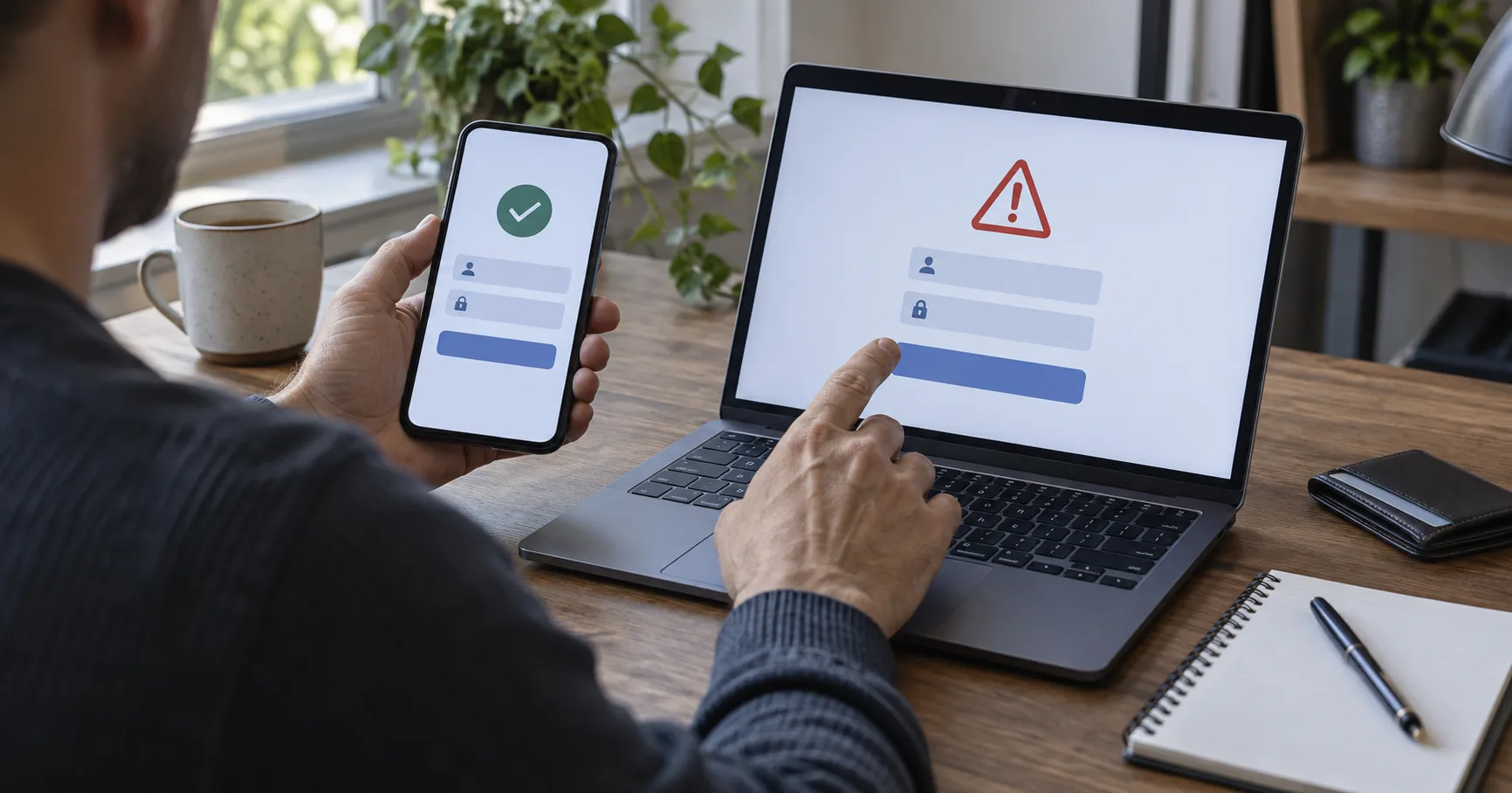
The rule is simple: verify the destination before entering a password, code, or payment detail. A promotion may change, but that rule does not. Copycat pages depend on urgency, familiar graphics, and small address differences that players overlook when they want to start quickly.
This matters even with a PHP 500 budget. A fake page does not need to take a large deposit to cause harm. It may capture a reusable password, a verification code, or information connected to a payment wallet.
The exact official Coral Vault domain was not supplied for this article. Therefore, no address shown in an advertisement, message, or search result should be treated here as verified. Obtain the official address through a previously trusted record or a support channel you independently confirm.
If the address differs, stop before entering details
The domain controls where submitted information goes. Copycats can reproduce colours, buttons, and page layouts, but they cannot use the exact same registered domain as the genuine destination.
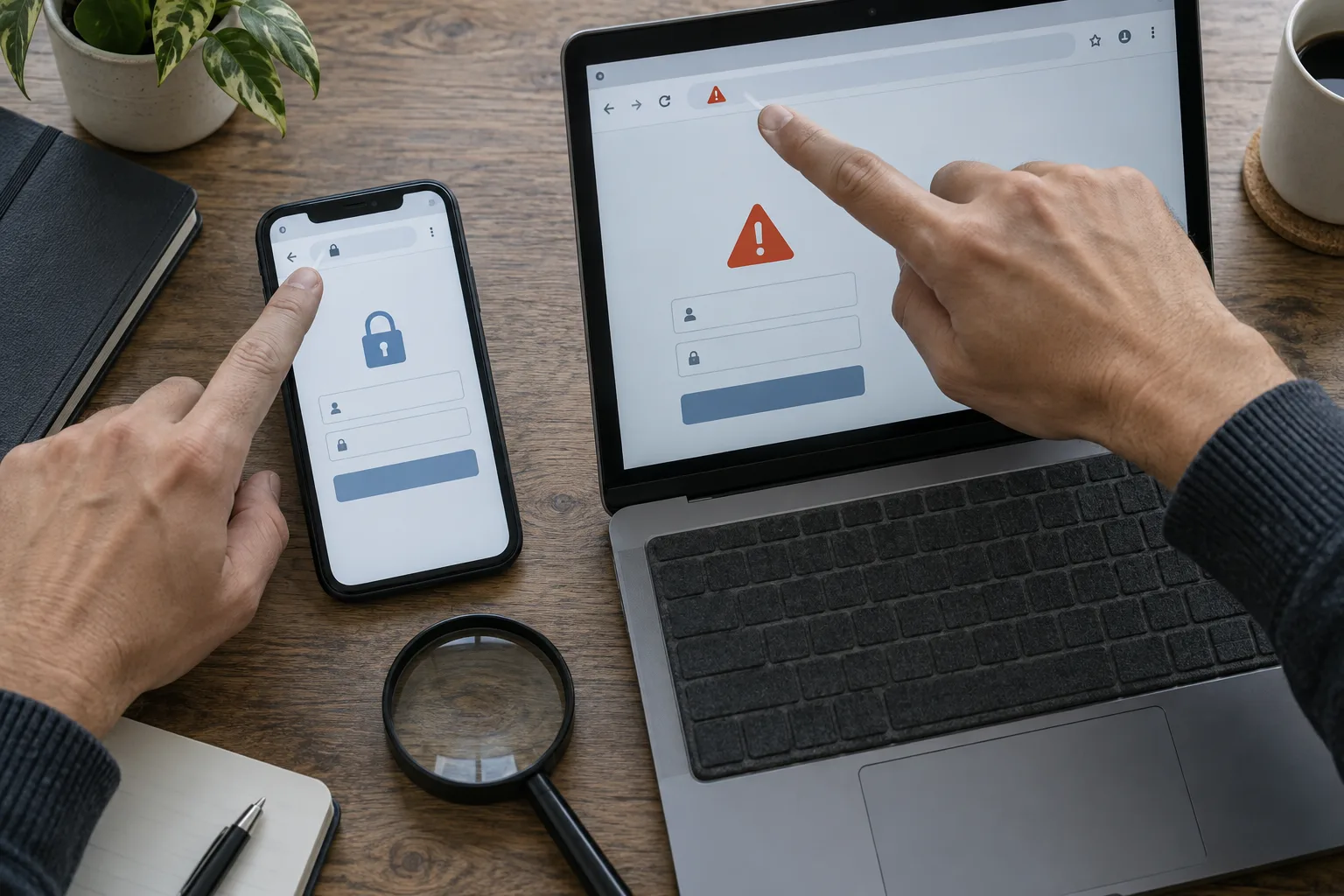
Read the address from the end of the main domain rather than trusting its opening words. A scammer may place a familiar brand term inside a longer address or subdomain. Extra hyphens, substituted letters, unusual endings, and unexpected redirects all deserve scrutiny.
Compare every character with a bookmark or address you previously verified, including the domain ending and any words placed before it.
Treat a familiar logo as decoration rather than proof because images and page layouts can be copied without controlling the genuine domain.
Check where a button leads before opening it, especially when the link arrives through an unsolicited message or advertisement.
Reject any page that moves through several unfamiliar domains before displaying its Login form, even when the final design appears polished.
Remember that a padlock only indicates an encrypted connection; it does not prove that the site belongs to the expected operator.
A saved bookmark beats a fresh search when the bookmark was created only after independent verification. Search results can include advertisements or similarly named pages. However, an old bookmark is not automatically reliable if it now redirects somewhere unexpected.
If the page creates urgency, pause and test the claim
Copycats often make careful checking feel expensive. They may suggest that access, a reward, or an account will disappear unless the visitor acts immediately. The pressure is the mechanism: rushing reduces the chance that someone will inspect the address or question an unusual request.
A genuine-looking promotion does not override the security check. Conditions can vary, but no temporary offer makes it sensible to disclose a password on an unverified domain. The same reasoning applies during the Christmas build-up, when busy players may encounter more promotional messages and feel pressure to act quickly.
Before continuing, separate the claim from the required action:
Identify what the message says will happen, then ask whether that outcome can be checked through an independently opened account page.
Open the known destination yourself instead of following the supplied link, preserving control over how you reach the Login screen.
Inspect whether the page requests information that is unnecessary for signing in, such as wallet credentials or a complete payment PIN.
Leave when a supposed helper asks for a one-time code, remote device access, or screen sharing to restore account access.
Convenience and verification can conflict. A message link is faster when it is genuine, while a trusted bookmark requires an extra moment. The bookmark wins whenever money or account credentials are involved because the small time saving cannot offset an uncertain destination.
If PHP 500 is your limit, measure the full exposure
A small bankroll limits gambling spend, but it does not necessarily limit scam exposure. The amount transferred is only one part of the possible loss. Reused credentials or compromised wallet access can extend the damage beyond the planned session.
Hypothetical worked example: Assume a player has PHP 500 available and a suspicious page advertises a PHP 100 Minimum Deposit. If the player sends PHP 100, the visible balance becomes PHP 500 − PHP 100 = PHP 400.
If the page is fake, the immediate exposure is PHP 100. The arithmetic does not make the transfer a safe test. If the player also submits a reused password, the potential exposure includes other accounts using that password, so it cannot be capped at PHP 100 or PHP 500.
Sending a smaller amount is useful for testing a verified payment route, but it is not a sound way to test whether an unknown website is genuine. Domain verification must come first. Transaction sizing addresses operational risk only after identity has been established.
If payment instructions change unexpectedly, verify elsewhere
A login page should not use account access as a reason to demand unrelated wallet secrets. Be especially cautious when instructions suddenly move from the site to a personal chat, an individual account, or a different domain.
Players using GCash or Maya should open the wallet independently and review any authorization request before approving it. The name, purpose, and amount displayed in the wallet should make sense for the action the player initiated.
Cancel an authorization when its amount or purpose differs from the action you started, even if a chat agent urges approval.
Keep wallet PINs and one-time codes outside messages because receiving a code does not make the requester entitled to see it.
Question instructions that replace a normal payment flow with a transfer to an unfamiliar personal recipient or changing account.
Preserve screenshots and transaction references when something appears wrong, while keeping passwords and complete identity details out of shared images.
A delayed Withdrawal can require legitimate account checks, but delay alone does not prove either authenticity or fraud. The stronger warning is a demand for fresh payment, secret credentials, or remote access before funds can supposedly be released.
If you already submitted information, contain the damage
Speed matters after exposure, but random repeated attempts can make the evidence harder to follow. Act through independently opened services, beginning with the credential or payment method most capable of causing further loss.
Close the suspicious page and record its full address, messages, payment instructions, and transaction references without revisiting unnecessary screens.
Change any exposed password through the genuine service, then replace matching or similar passwords used on other important accounts.
Contact the relevant wallet or bank through its independently verified channel when money moved or payment credentials may be compromised.
Review account activity and active sessions, then sign out unfamiliar devices where the genuine service provides that control.
Report the impersonating page to the brand through a separately verified contact route, supplying evidence without sharing new secret information.
If a one-time code was disclosed, changing the password remains important because the code may have been used immediately. If an app was installed or remote access was granted, stop sensitive activity on that device until it has been checked and secured.
If every visible clue looks right, verify the route anyway
Visual accuracy is not decisive. A copied page can look cleaner than a genuine one, while a genuine mobile page may display differently after a browser update. The stable test is whether the route leads to the independently verified domain and requests only information appropriate to Login.
Use appearance as a supporting clue, not the foundation of the decision. Domain identity, independently opened contact channels, and control over payment approval are harder for a copycat to imitate together.
The lasting rule is therefore conditional and predictable: if the domain matches a trusted record, the route stays under your control, and the request fits the action, you may continue cautiously. If any condition fails, stop before the PHP 500 budget or account credentials enter the page.